Table of Contents

"Injury isn't an event, it isn't a point that occurs. It's what takes place within you as a feedback when an individual enters into therapy, their whole life is with them, and I believe in some cases we see individuals as simply staying in their context now, but what they're experiencing, you understand, has an entire background." - Tanya Kowalenko, Registered Psychotherapist You could listen to individuals refer to injury as "large T" injury or "small t" injury.
"Small t" injury is a lot more distressing at a personal level like prolonged psychological misuse, neglect, chronic job stress and anxiety, or intimidation. All of us process points differently, and what may be stressful to a single person, an additional might deal with it better. Utilizing the terms "big T" and "small t" injury is an informal method to organize injury, but it is frequently extra officially arranged into these three classifications: outcomes from a single event or incident.
Persistent trauma can likewise result from unsettled severe trauma. being revealed to several stressful occasions, such as childhood years sexual, physical or psychological misuse, medical misuse or a long health problem, family members instability or disagreements. These frequently have interpersonal strings. Persistent and complicated trauma signs and symptoms usually expose themselves years after the events take place.
Warning Signs in Therapy Relationships
Our brains ultimately develop a combined memory with them. When we remain in threat, our mind invests much less time coding the memory effectively and more time obtaining us to safety and security. The memory can come to be fragmented, not combined. This is why some individuals that experienced injury occasionally have gaps in their accurate recollection of occasions.
It's a trigger. We're not able to regulate these or understand what's taking place, and our signs and symptoms get worse. This can be defined as unprocessed traumaour memories, sensations and capacity to deal run out our control."Individuals say trauma happened in the past. When people have a hard time with the injury, what happens is that you're living in this minute with the trauma.
is concentrated on how our bodies are reacting to anxiety. Somatic therapy reveals us how our emotions are making us literally really feel, and educates us methods to discharge it and calm ourselves to much better deal with brand-new stress factors as they come. When checking out somatic therapy or dealing with a specialist on these techniques, you could run into these 2 certain locations of somatic therapy: and.
Learning these hints and how to relax those reactions physically can be practical in handling stress and anxiety on a continuous basis too. The power of the mind-body link to manage the nervous system is also why exercise, yoga method or even dance treatment can be effective elements of therapy. An additional typical method for trauma is.
Accessing Tools Near New Jersey
A specialist will address one memory or piece of a memory, and talk through it while moving a pen or one more things before your eyes, touching alternate shoulders while you move your eyes, or an additional similar exercise. This physical activity helps the mind produce new neurological connections with a memoryit re-trains the brain to process that memory.
TIC is not a particular method, yet an approach to treatment. Therapists will certainly be more aware of just how injury presents itself in their someone's behaviour and they'll be cautious to honour any kind of coping systems that have been adopted to-date (possibly the specialist is much better able to withstand mad outbursts, or moments of disassociation in a session: aka battle and freeze).
Viewing Personal Challenges as Neurological Difference

Even with EMDR therapy, there are stages prior to a memory is brought to the surface to reprocess. Trauma-trained or trauma-specific care makes use of much more evidence-based techniques to directly assist somebody recoup from trauma.
This content has actually been professionally reviewed by (January 2022). Modifications or remarks? You can get in touch with us.
You may be experiencing high degrees of dispute in your partnerships, feeling set off and threatened in your interactions with various other people. If you've ever before felt mentally numb prior to, you likely really felt detached or like you could not share emotion or connect with others.
If you had moms and dads that worked a lot when you were a kid, as an example, and you were left in the treatment of another person, you may have felt deserted. When your spouse functions late, that desertion injury might become triggered and you might feel like a kid once more, hopelessly waiting for a moms and dad to come home.
Returning to Authentic Needs
Rather, you're looking at the existing minute through the lens of your trauma, experiencing your partner's behavior as unsafe, even when no harm was intended. We see the world and our relationships with the lens of our unsettled trauma.
Unsolved childhood injury can trigger significant adverse impacts upon any kind of among us and may resurface at any offered time when we come to be set off. Individuals do not always react to a distressing case as soon as possible. In many situations, This is why acknowledging and refining the stressful events that have actually taken place is so crucial.
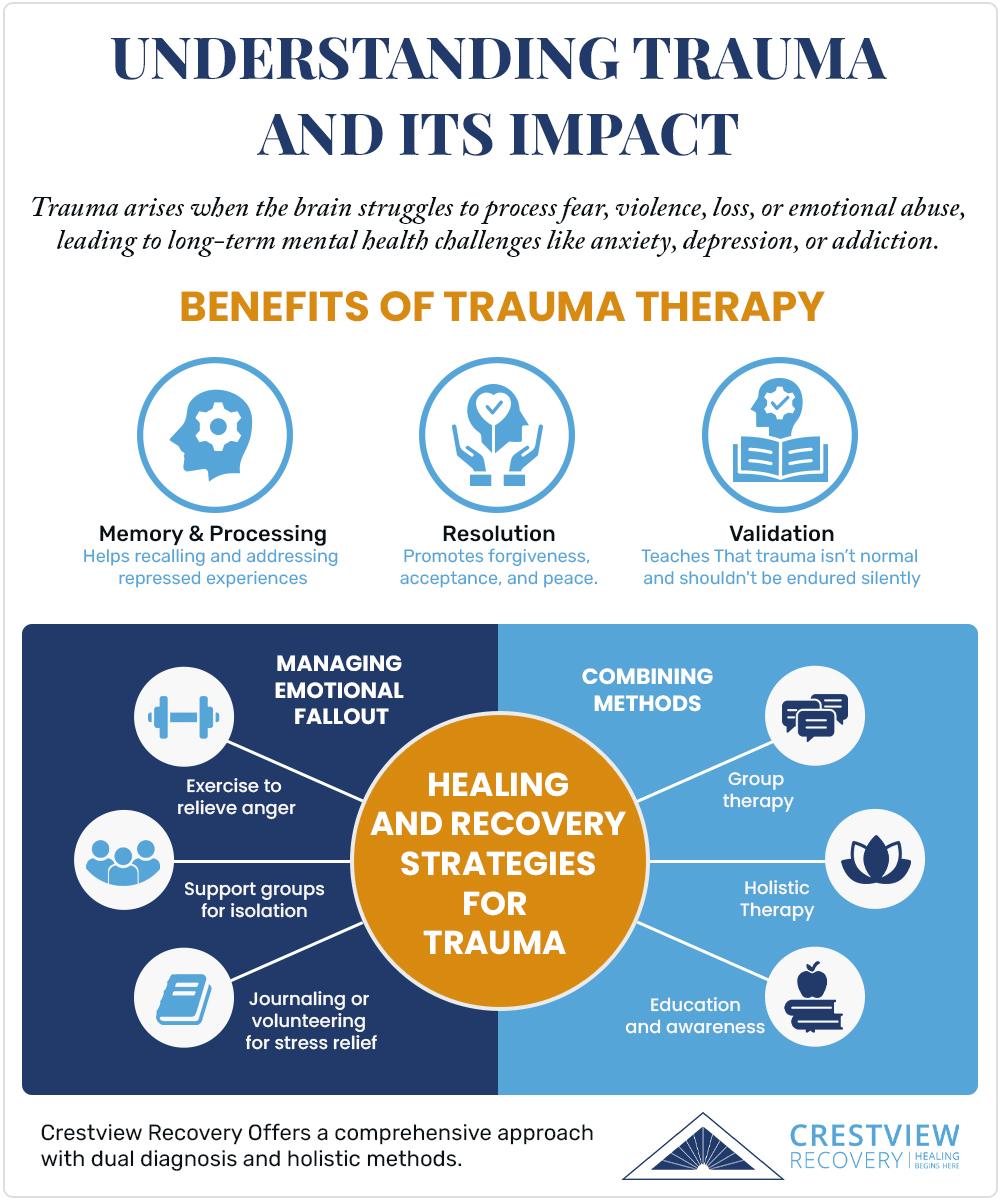
They may also create emotional problems and trigger damages in connections with other individuals. Instead of rejoicing and calm, you might typically really feel unforeseen: AngerFearAnxietyStressIrritabilityOverwhelmedThese feelings can overflow suddenly, and we may inadvertently take them out on people in our lives we appreciate. It can be incredibly alarming (to both ourselves and others) to respond in such a way that wanders off from our regular habits.

Navigation
Latest Posts
Bereavement across Individual Counselling Support in Waterloo, Ontario
Anxiety and Depression across Multicultural Communities
Value of Safety within Clinical Work for Growth